Views: 0 Author: Site Editor Publish Time: 2025-11-11 Origin: Site

Wind turbine design has undergone significant transformations over the years, driven by advancements in technology and materials. These wind turbine design innovations have made wind energy more efficient, reliable, and cost-effective. As the global demand for renewable energy grows, the wind power industry continues to evolve, with new breakthroughs improving both the performance of turbines and their ability to integrate with other renewable energy sources. In this article, we'll explore the key innovations in wind turbine design, their benefits, and how Naier Wind Power has embraced these advancements to provide superior wind power solutions for a variety of applications.
Several factors have contributed to the rapid evolution of wind turbine technology. These innovations not only increase energy production but also make turbines more adaptable to various environments and operating conditions. Let's take a closer look at the main drivers behind wind turbine design innovations.
One of the most critical factors in modern wind turbine design is the improvement in materials and aerodynamics. The use of advanced materials such as fiberglass and carbon fiber for rotor blades has made turbines lighter and stronger, allowing for larger blades that can capture more wind. The design of blades has also improved, with better aerodynamics leading to higher efficiency at varying wind speeds.
Direct drive systems are another significant innovation in wind turbine design. Traditional turbines used gearboxes to transfer mechanical energy from the rotor to the generator, but direct drive turbines eliminate the gearbox. This results in fewer moving parts, which reduces maintenance needs and increases reliability. As a result, turbines with direct drive systems are not only more durable but also operate more efficiently over time.
The integration of smart sensors and advanced control systems is another key development. These systems monitor the turbine's performance in real-time, adjusting the blade pitch, rotor speed, and other variables to optimize energy production. Predictive maintenance algorithms can analyze sensor data to predict when maintenance is required, preventing unexpected failures and reducing downtime. This makes modern turbines more efficient, cost-effective, and capable of operating in harsh conditions.
Wind turbine design innovations are not limited to just one or two areas; they span multiple aspects of turbine technology, each contributing to improved performance and cost savings. Here are some of the most significant areas of innovation.
Larger rotor diameters are one of the most noticeable trends in wind turbine design. Increasing the size of the rotor allows turbines to capture more wind energy, increasing their power output. This innovation is particularly important for offshore wind farms, where wind speeds tend to be higher and more consistent. Larger blades with advanced aerodynamic designs can capture more energy, even at lower wind speeds, making turbines more versatile and efficient.
As mentioned earlier, the shift towards direct drive systems is revolutionizing wind turbine design. Direct drive permanent magnet generators (PMGs) are replacing traditional gearbox-based systems in many modern turbines. The benefits of PMGs include higher efficiency, lower maintenance costs, and fewer moving parts, all of which contribute to increased reliability and reduced operational downtime. These systems are especially useful in remote or offshore locations where maintenance can be challenging and expensive.
Another major innovation in wind turbine design is the use of smart sensors and Internet of Things (IoT) technology. These sensors continuously monitor the turbine's performance, collecting data on everything from wind speed and rotor angle to temperature and vibration levels. This data is sent to a central control system, which uses machine learning algorithms to predict when maintenance is required or when components might fail. Predictive maintenance helps reduce the risk of costly repairs and ensures turbines are operating at peak efficiency.
The innovations in wind turbine design not only improve turbine performance but also offer numerous benefits to customers. By selecting a turbine that incorporates the latest advancements, you can enjoy higher energy output, lower maintenance costs, and greater reliability. Let's explore how these innovations directly benefit you.
One of the most significant advantages of wind turbine innovations is the increased energy output. Larger blades, advanced aerodynamics, and more efficient generators allow turbines to generate more power, even in lower wind conditions. This means that your wind energy system can provide more electricity for less investment. In addition, the reduced maintenance requirements of newer designs result in lower overall costs, making wind energy a more affordable option for residential, commercial, and industrial customers.
Some of the newer turbines, such as those offered by Naier Wind Power, are designed to start generating power at lower wind speeds. This low-wind start capability means that turbines can begin producing energy in areas with less consistent wind, increasing their overall effectiveness and making them a more viable option for a wider range of locations.
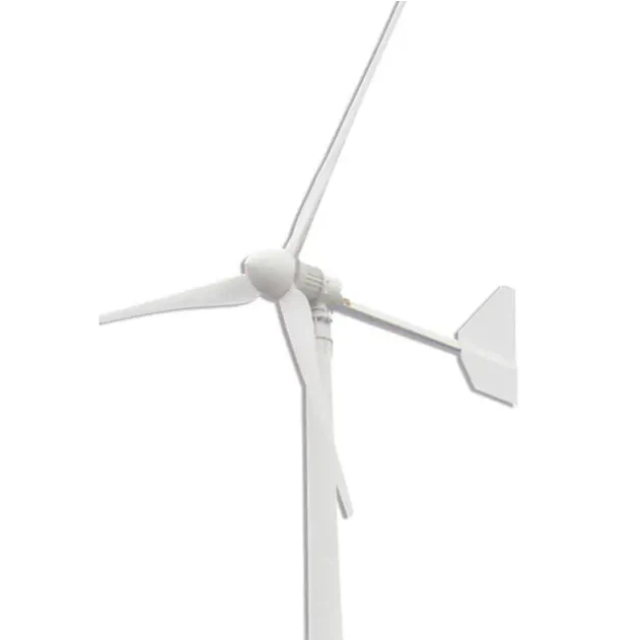
At Naier Wind Power, we are committed to staying at the forefront of wind turbine design innovation. Our horizontal-axis and vertical-axis wind turbines incorporate the latest advancements to provide reliable, cost-effective, and efficient energy solutions for our customers. Here are some of the design features we've integrated into our turbines.
We use fiberglass blades in our horizontal-axis wind turbines to ensure durability and efficiency. These blades are lightweight yet strong, able to withstand the wear and tear of continuous use while maintaining optimal performance. Our turbines also feature low-wind start performance, allowing them to generate power in locations with variable or low winds. Additionally, our variable pitch system allows the blades to adjust their angle to optimize performance based on wind conditions.
Many of our turbines are designed to work in tandem with solar power systems and energy storage solutions. We offer wind-solar hybrid systems that combine wind turbines with solar panels, allowing you to generate energy from two renewable sources. Additionally, we integrate storage solutions such as battery banks to store excess energy for later use, ensuring a consistent power supply even when the wind isn't blowing.
Our vertical-axis wind turbines are perfect for locations with space constraints or turbulent wind conditions, such as urban rooftops or coastal sites. These turbines are designed to operate efficiently in smaller spaces, with minimal noise and reduced maintenance requirements. Their ability to capture wind from any direction makes them a versatile and reliable option for residential and commercial applications.
As the wind power industry continues to evolve, several exciting trends are emerging that promise to further revolutionize turbine design. These advancements will shape the future of wind energy and improve the efficiency and reliability of turbines even more.
Floating wind turbines are a breakthrough design that allows turbines to be placed in deeper waters, where traditional offshore turbines are not feasible. These turbines are anchored to the seabed by floating platforms, allowing them to harness wind energy in locations where water depth exceeds traditional installation capabilities. This innovation opens up vast new areas for offshore wind farms, particularly in regions with deep water.
Modular design is another trend that allows turbines to be more easily customized and scaled to fit specific needs. By creating modular turbine components, manufacturers can design turbines that are easier to transport, assemble, and maintain. This trend is expected to make wind energy more accessible and affordable for smaller-scale projects and remote locations.
Artificial intelligence (AI) is poised to play a significant role in optimizing wind turbine performance. By using AI algorithms to analyze sensor data, turbine operators can optimize energy production in real-time, adjusting settings based on changing wind conditions. AI can also be used to predict potential failures, allowing for proactive maintenance and minimizing downtime.
In conclusion, wind turbine design innovations have significantly improved the performance, efficiency, and cost-effectiveness of wind power systems. At Naier Wind Power, we are proud to incorporate the latest advancements in turbine design, ensuring that our products offer the best value and performance for our customers. Whether you are looking for horizontal-axis or vertical-axis turbines, our solutions provide reliable, sustainable energy for a variety of applications. For more information or to discuss your project's needs, please contact us today.
1. What are the benefits of direct drive systems in wind turbines?
Direct drive systems eliminate the need for gearboxes, reducing maintenance needs and improving reliability, making turbines more efficient and cost-effective.
2. How do larger rotor diameters improve turbine performance?
Larger rotor diameters capture more wind energy, increasing the turbine's output and making it more efficient, even at lower wind speeds.
3. What is predictive maintenance in wind turbines?
Predictive maintenance uses smart sensors and data analytics to predict when a turbine will require maintenance, preventing unexpected failures and reducing downtime.
4. How can hybrid systems benefit my energy needs?
Wind-solar hybrid systems combine the strengths of both wind and solar energy, providing a more consistent and reliable power supply, especially in areas with variable wind or sunlight.